

Sonos · Architectural speaker
Sonos In-Wall Speakers
Built-in sound for TV and music, positioned where voices, instruments and stereo image naturally belong — at the front of the room.
In stock · Ready to order
₦1,282,924
Available now for delivery or collection.
Passive speakers. Sonos Amp or another suitable amplifier is required.
Sonos Architectural
Put the sound where the picture is.
In-Wall is the architectural choice when sound should come from the same direction as the picture or performance. Plan the pair around a TV, across a front wall or around a primary listening position, then use Sonos Amp for TV audio, streaming, room tuning and whole-home grouping.
Focused architectural sound
The soundstage belongs in front of you.
For television, focused music listening and architectural cinema, speaker position matters. In-Wall keeps the loudspeaker visually restrained while placing dialogue, vocals and instruments on the same plane as the screen and listening area.


Where In-Wall earns its place
Choose In-Wall when direction matters.
Ceiling speakers are ideal for even room coverage. In-Wall serves a different job: a deliberate front-facing soundstage. The choice should follow how the room is listened to, not simply which speaker is easier to hide.
Built around Sonos Amp
Turn the wall into a Sonos listening zone.
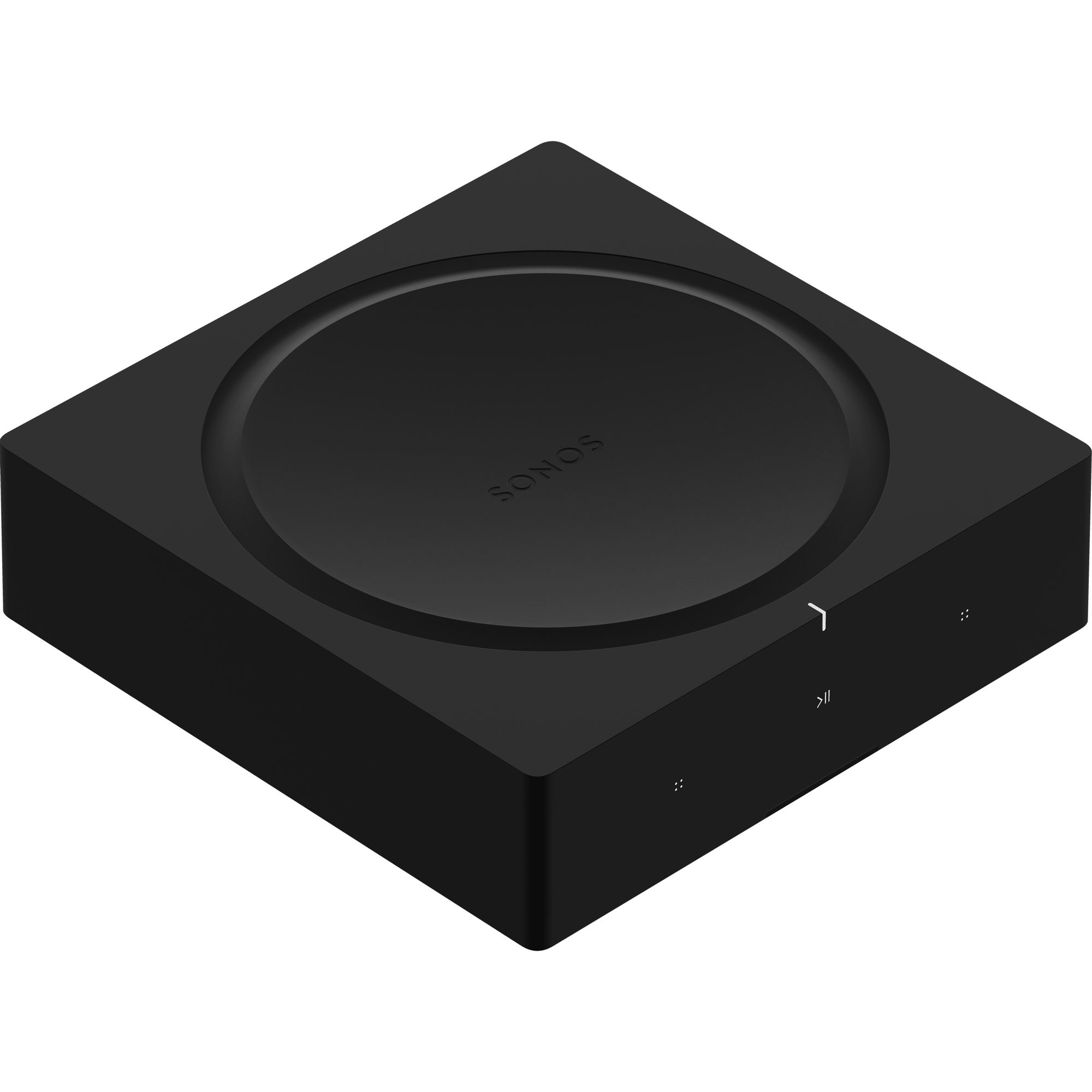
Sonos Amp turns the passive In-Wall pair into a complete Sonos zone. Connect the television over HDMI ARC, stream music directly from Sonos, group the room with the rest of the home, and tune supported Sonos Architectural speakers to the room.
Product details
Plan the listening position before the wall is cut.
The permanent decision is not the speaker — it is the cut-out and position. Confirm the screen location, listening axis, speaker spacing, wall construction, cable path and Amp location before installation begins.
Audio specifications
Dimensions + installation
What's in the box
- 2 × In-Wall speakers
- 2 × speaker grilles
- Cut-out template
- Documentation
- Amplifier
- 16-gauge or larger speaker wire
- Installation labour
- Wall preparation or finishing
System requirements
- Passive speakers require an external amplifier
- Sonos Amp recommended for the full Sonos Architectural feature set
- Speakers on one Amp operate as one Sonos zone
- Sonos Amp
- Latest Sonos app
- Supported iOS device for Trueplay
- Reliable network connection
Frequently asked
In-Wall, clarified.
The practical questions that determine whether the room needs a front-facing architectural soundstage or distributed ceiling audio.
Do these speakers need Sonos Amp?
Why choose In-Wall instead of In-Ceiling?
Can I use them as a stereo pair for music?
Can they be used for home theatre?
Does Trueplay work with them?
Can the grille be painted?
What wall depth do I need?
When should I use Soundhous design and installation?
Sonos Architectural · Soundhous
Design the front of the room around sound.
If the TV position, speaker spacing, cable route and amplification are already resolved, add the pair directly. If any of those decisions are still open — especially on a new build, renovation or cinema room — design the system before the wall is closed.